Philosophy
Amor Fati
An attitude in which one sees everything that happens in life (including suffering, pain, and loss), as either a good or, at the very least, a necessary outcome that is entwined with a larger and purpose-driven sense of destiny.
Antifragile
System or entity that not only resists stress and uncertainty but actually thrives and grows stronger under challenging conditions.
Chesterton's Fence
Principle that suggests before changing or removing something, it is essential to understand its original purpose and history, to avoid unintended consequences or negative outcomes.
Conatus
philosophical term originating from Latin, meaning "effort" or "striving." It refers to the innate inclination of a thing to continue to exist and enhance itself. The concept is prominent in the works of several philosophers, most notably in the philosophy of Baruch Spinoza, but it also appears in the writings of Thomas Hobbes and René Descartes.
Concretism
Reification
When an abstraction, idea, or belief is treated as if it were a concrete, real event or tangible entity.
Difference without a Distinction
Logical fallacy in which a difference between two things is asserted without any meaningful or relevant distinction being made between them.
Effective Altruism
EA
A philosophy and social movement that uses evidence and reason to determine the most effective ways to do good — asking not just "should I help?" but "where will my help go furthest?"
Eudaimonia
An Aristotelian concept of human flourishing — not mere happiness, but the deep fulfillment that comes from living virtuously and realizing one's full potential.
Hanlon's Razor
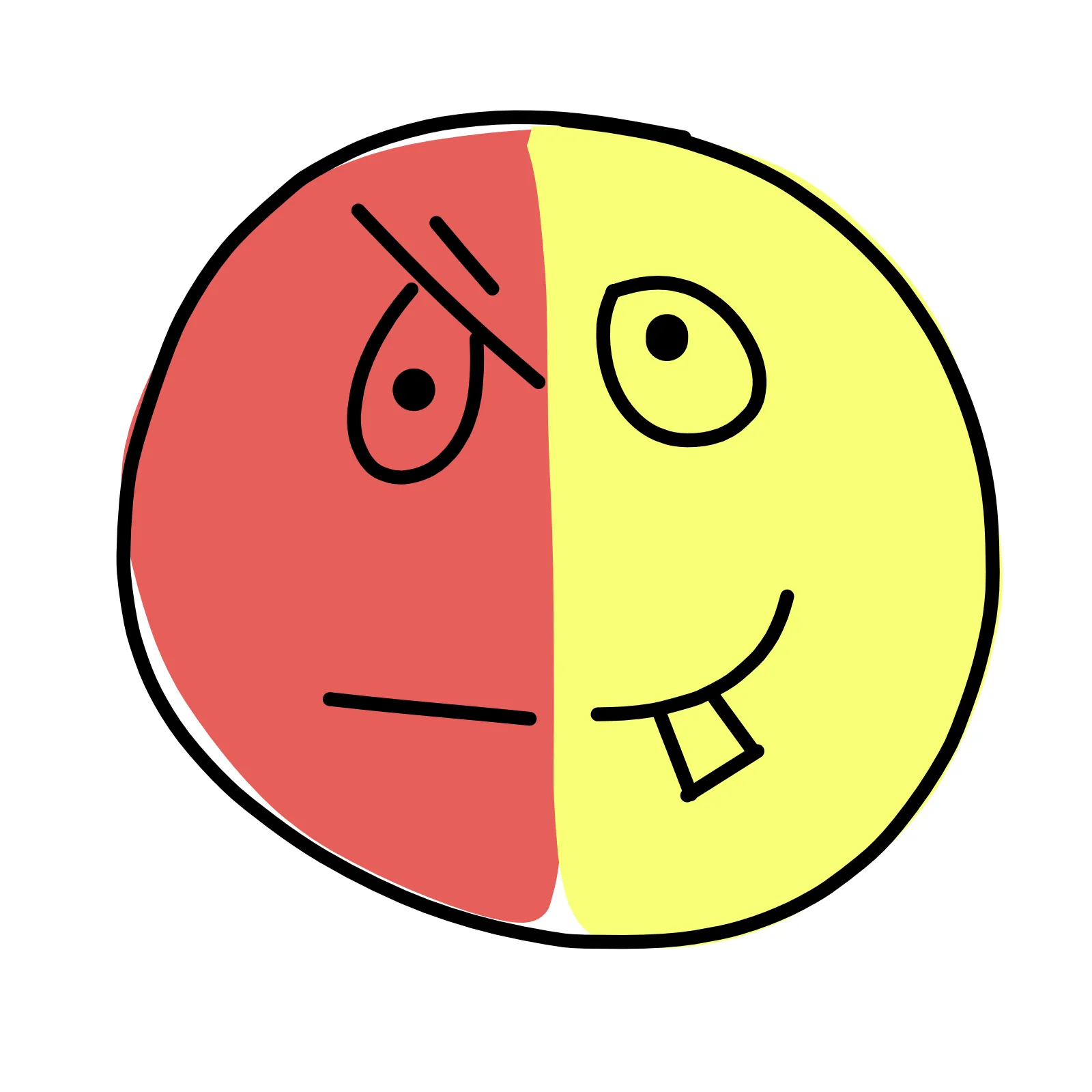
The aphorism which reminds us to never attribute to malice something that can simply be explained by incompetence.
Ho'oponopono
A traditional Hawaiian practice of reconciliation and forgiveness, centered on restoring harmony through mutual responsibility and letting go.
Hyperobject
Entities that are so large, both spatially and temporally, that they exceed our ability to fully comprehend them, and are often characterized by their non-local and non-linear properties, such as climate change or nuclear radiation.
Identifiable Victim Effect
The tendency of individuals to offer greater aid when a specific, identifiable person is observed under hardship, as compared to a large, vaguely defined group with the same need. Often summarized as concrete images and representations being more powerful sources of persuasion than abstract statistics.
Ikigai
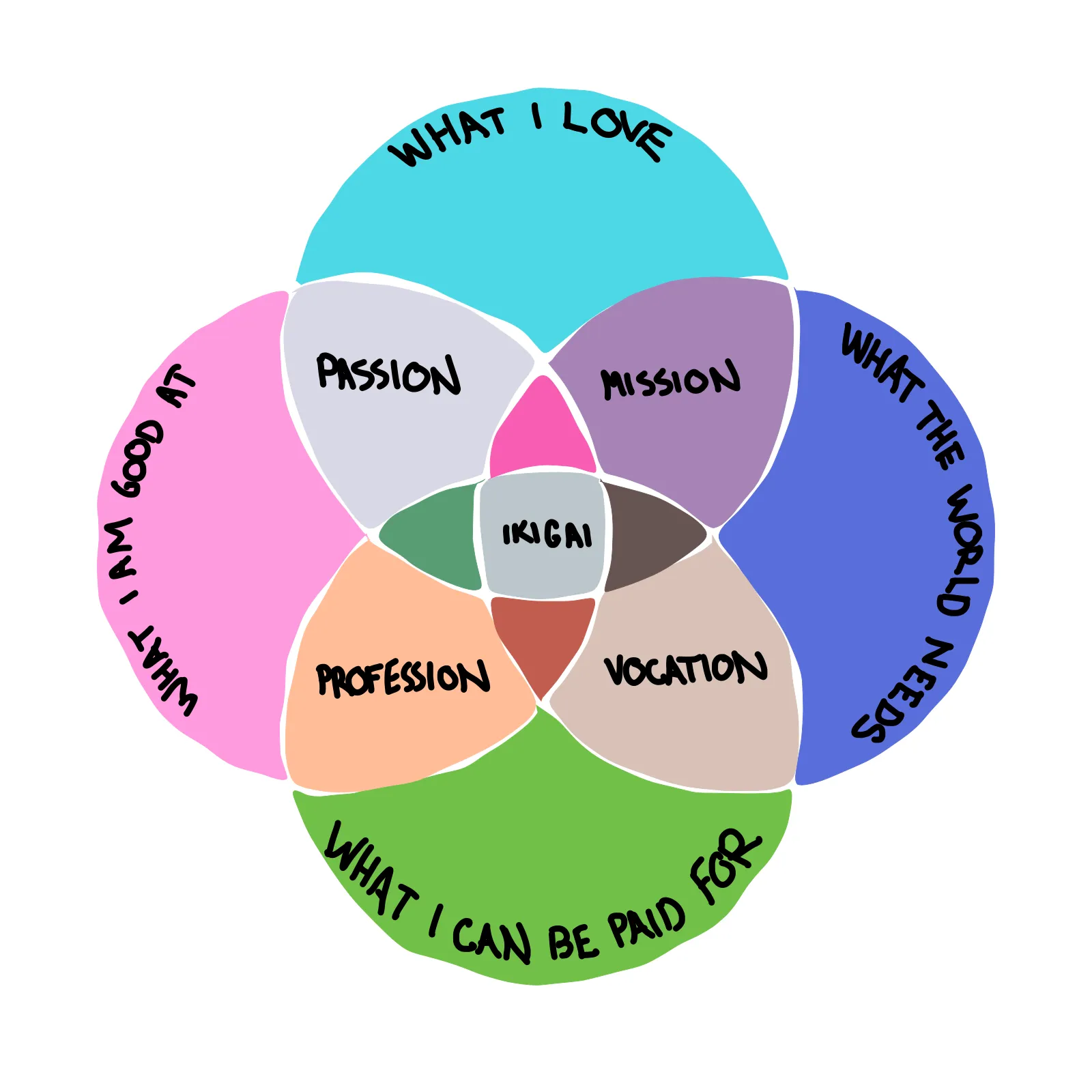
A sense of purpose and fulfillment in life — the feeling that one's daily existence has meaning, value, and direction.
Innsaei
Icelandic term for 'intuition', but can also mean 'the sea within' and more generally conveys a sense of inner awareness and ability to empathize with others from within one's own self.
Intuitive Vs. Reflective Beliefs
Intuitive beliefs defined in the architecture of the mind, formulated in an intuitive mental lexicon. Higher-order or "reflective" propositional attitudes are provided by other beliefs that describe the source of the reflective belief as reliable, or that provide explicit arguments in favour of the reflective belief.
Is / Ought Problem
Hume's Law · Hume's Guillotine · Fact–Value Gap.
The tendency that many writers make claims about what ought to be (prescriptive), based on statements about what is (descriptive).
Just-World Hypothesis
Just-World Fallacy
The cognitive bias that a person's actions are inherently inclined to bring morally fair and fitting consequences to that person, to the end of all noble actions being eventually rewarded and all evil actions eventually punished. In other words, the tendency to attribute consequences to a universal force that restores moral balance.
Kintsugi
Golden Repair · Kintsukuroi
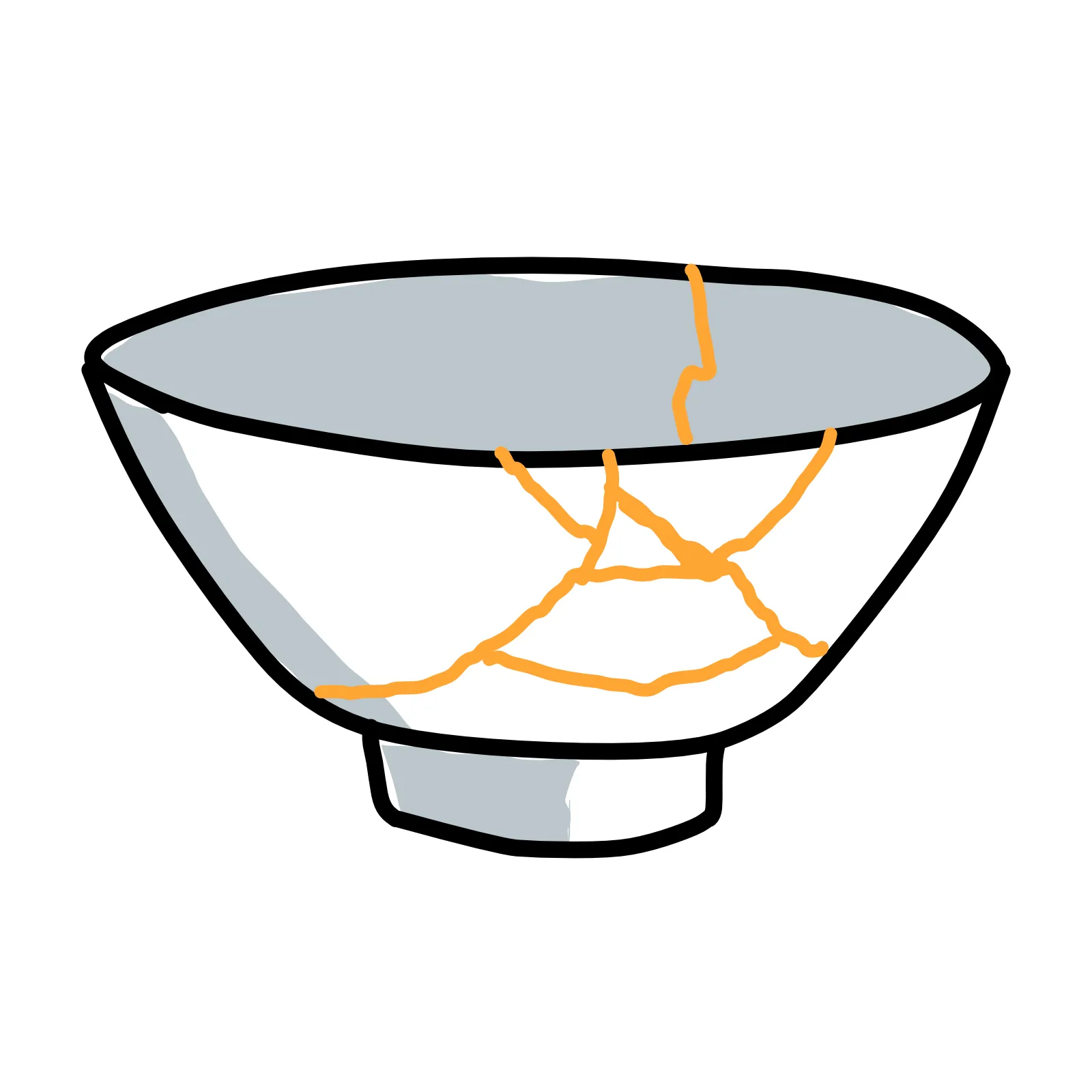
Repairing broken pottery with lacquer mixed with powdered gold or silver, treating each crack as part of the object's history rather than something to hide. The flaw becomes the feature.
Koyaanisqatsi
A vision of modern life as fundamentally out of balance — humanity's relationship with technology and nature seen as one of escalating disharmony, made iconic by the 1982 experimental film of the same name.
Lagom
A Swedish philosophy of moderation and balance — not too much, not too little, but just the right amount.
Mind-Body Problem
A philosophical problem concerning the relationship between thought and consciousness in the human mind, and the brain as part of the physical body.
Most Respectful Interpretation
Principle of Charity
An attitude of assuming positive intent, as opposed to looking for alternate or disingenuous motivations.
Negative Capability
The capacity to remain in uncertainty, mystery, and doubt without grasping for definitive answers — an intellectual openness that John Keats considered essential to creative greatness.
Nietzschean Affirmation
A concept in the philosophy of Friedrich Nietzsche which argues for an affirmation of life itself, despite its troubles and pains.
Niksen
The practice of deliberately doing nothing — sitting idle, staring out a window, or letting your mind wander without any productive goal.
Normalcy Bias
Normality Bias
A belief people hold when facing a disaster which causes them to underestimate both the likelihood of a disaster and its possible effects, because people believe that things will always function the way things normally have functioned.
Ouroboros

The symbol and idea of a snake eating its own tail, often interpreted as a cycle of rebirth and renewal.
Outside Context Problem
A problem without precedent that does not fit within existing problem sets or models of understanding — the kind of problem "most civilizations would encounter just once, and which they tended to encounter rather in the same way a sentence encountered a full stop."
Pandora's Box
An artifact in Greek mythology where an object that is originally seen as a gift turns out to in fact be a curse. The only thing remaining at the bottom of Pandora's Box is 'Hope.'
Panopticon
An experimental laboratory in which behavior could always be observed, and therefore modified — ultimately a symbol of a society of surveillance and discipline.
Plato's Cave
Allegory of the Cave · Platonic Ideal
An analogy from the Greek Philosopher Plato in describing reality as a fire that casts light on the walls of the cave, where humans can only see the shadows of that reality. The analogy suggests that the human condition is forever bound to the impressions that are received through the senses but will never know the "true" reality.
Proximate Vs. Root Cause
A proximate cause is the event most immediately responsible for an observed result, while a root (or ultimate) cause is the deeper, underlying reason it occurred. Distinguishing between the two is central to analysis in law, engineering, medicine, and biology.
Reasoning from First Principles
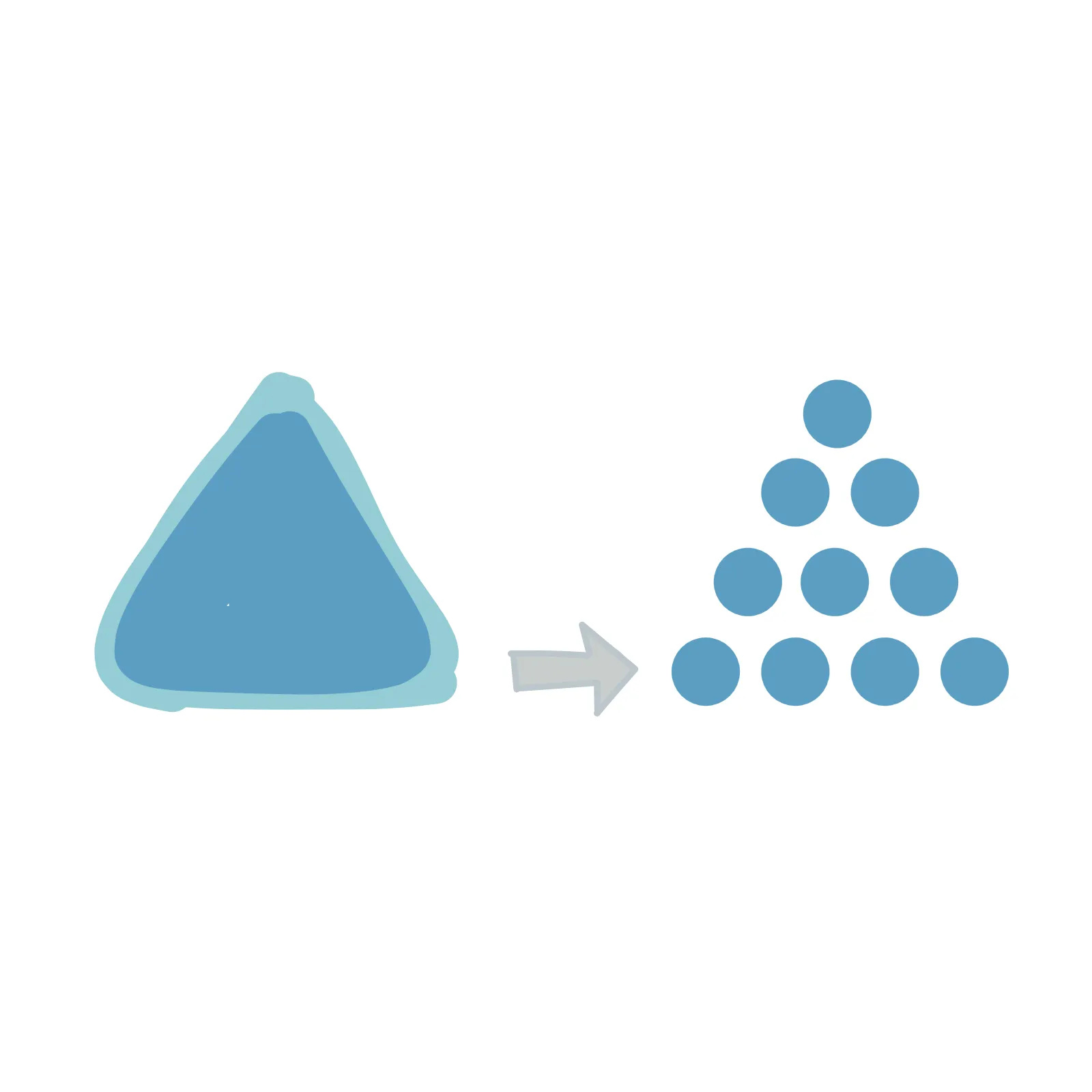
A reasoning method that breaks down complex problems to their most basic, self-evident assumptions, then builds understanding back up step by step.
Saudade
A deep, bittersweet longing for something or someone absent or lost — not just missing them, but feeling the lingering presence of what is no longer there.
Shikantaza
Just Sitting · Silent Illumination
A Zen Buddhist practice of "just sitting" — sitting without technique, goal, or object of concentration. Not meditation in the usual sense, but a complete presence without striving.
Ship of Theseus
Theseus's Paradox
A thought experiment that asks whether an object that has had every one of its parts gradually replaced is still fundamentally the same object.
Sisyphean Task
A laborious, seemingly endless effort that ultimately leads nowhere — named after the mythological king condemned to roll a boulder uphill for eternity.
Sturgeon's Law
Sturgeon's Revelation
The observation that "ninety percent of everything is crap." Named after sci-fi author Theodore Sturgeon, it's a reminder to judge any field by its best work, not its worst.
Sword of Damocles
A parable from the Greek Classical era of man who is offered to sit in on the King's throne for a, with a sword above him held only by a single hair, an allusion to the imminent and ever-present peril faced by those in positions of power.
Tikkun Olam
A concept in Judaism, typically interpreted as an aspiration to behave and act constructively and beneficially.
Tinkerbell Effect
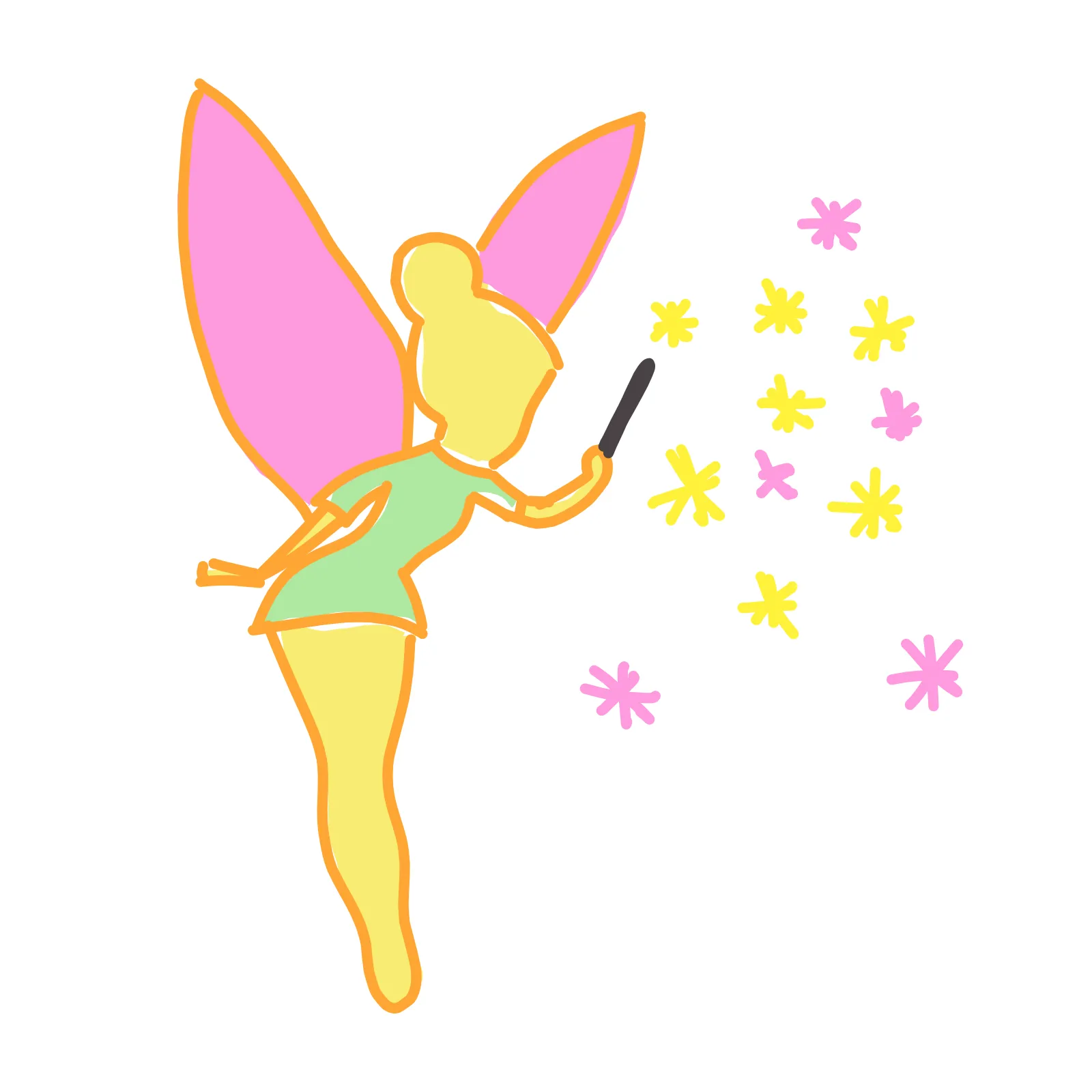
The idea that the more you believe in something, the more it becomes a reality (and when you stop believing in something, it ceases to exist).
Trolley Problem
Trolley Dilemma
A thought experiment asking whether it is right to divert a runaway trolley onto a track where it will kill one person in order to save five — probing the tension between action and inaction in moral reasoning.
Truthlikeness
Verisimilitude
A philosophical concept that distinguishes between the relative and apparent (or seemingly so) truth and falsity of assertions and hypotheses.
Tsukumogami
Household objects — tools, utensils, instruments — believed to gain a spirit or consciousness after reaching great age, often becoming mischievous or vengeful once animated.
Turtles All the Way Down
Infinite Regress · Unmoved Mover
An expression of the problem of needing something to explain something to explain something, etc., where the expression alludes to the mythological idea of a World Turtle that supports the earth on its back, and then the question being asked of what supports *that* turtle.
Ubuntu
A Southern African philosophy meaning "I am because we are" — the belief that our humanity is bound up in the humanity of others.
Veil of Ignorance
A thought experiment where you design a society's rules without knowing what position you'll occupy in it. If you don't know whether you'll be rich or poor, you tend to design fairer systems.
Viparinama-dukkha
The Buddhist concept of "the suffering of change" — the unease that comes from losing what's familiar, even when the change is positive. A new city, a child leaving home, a shifted routine — impermanence touches everything.
Wabi-Sabi
The Japanese concept of a worldview centered on the acceptance of transience and imperfection.