Ouroboros
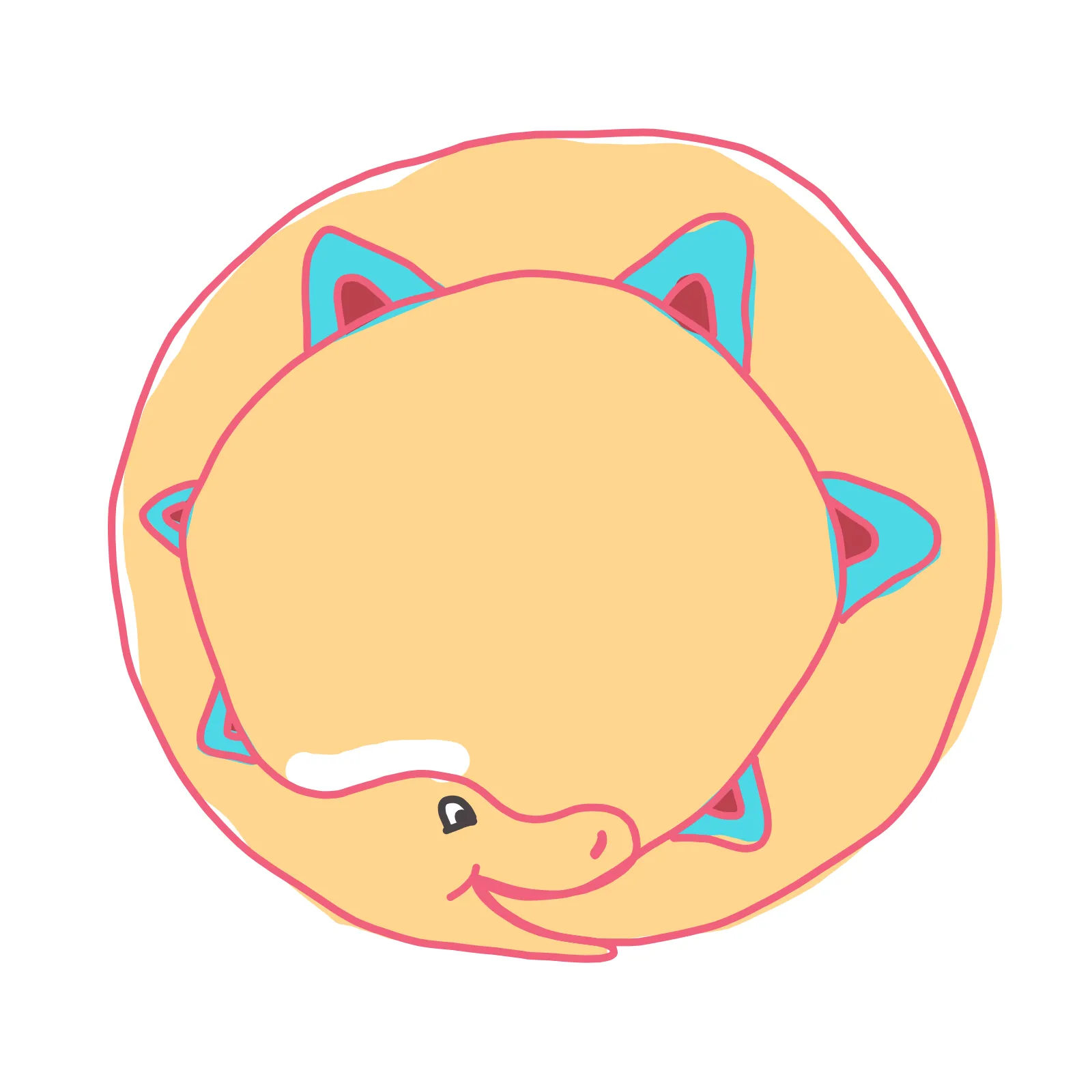
The symbol and idea of a snake eating its own tail, often interpreted as a cycle of rebirth and renewal.
Origin
From Ancient Greek oura ("tail") and bora ("food"), literally "tail-devourer." The earliest known depiction appears in the Enigmatic Book of the Netherworld from the 14th-century BCE tomb of Tutankhamun, where twin serpents symbolize the cycle of Ra and Osiris. The symbol entered Western tradition through Greek Gnosticism and Hermeticism, later adopted by alchemists, Norse mythology, and Jungian psychology.
Everyday Use
The very concept of an "every day" inherits the idea of a loop — a never-ending cycle. In some ways, there can be a comfort in seeing the sun rise each morning, in walking a well-worn path throughout our daily cycles. At the same time, the representation of the infinite loop can serve to remind us of our mortality, and how we choose to savor the consistency while deviating from our own loops.